
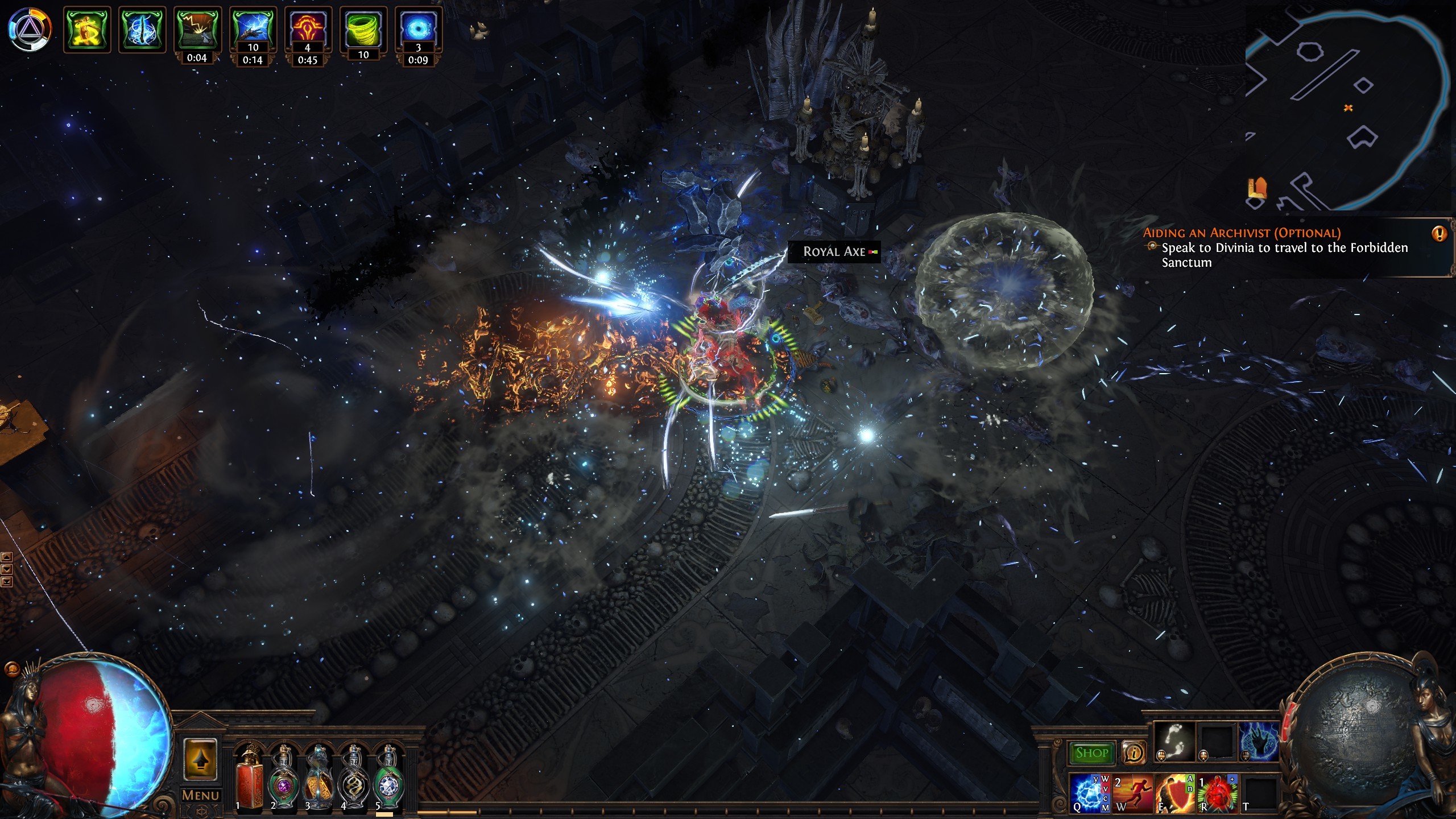
Late game survival checks in :contentReference[oaicite:0]{index=0} exist to separate builds that merely function from builds that are structurally sound. Unlike early or midgame content, where damage and movement can often compensate for defensive gaps, late game encounters apply sustained, overlapping pressure that leaves little room for improvisation. These checks do not announce themselves clearly; instead, they emerge through patterns of sudden deaths, resource depletion, or inability to recover from mistakes. Players often interpret these failures as bad luck, but in reality, they are diagnostic moments that reveal defensive shortcomings accumulated earlier in progression.
Why Late Game Pressure Feels Different
Late game encounters differ because pressure is continuous rather than burst-based. Enemies hit harder, apply multiple damage types simultaneously, and leave fewer safe windows for recovery. Defensive layers that felt adequate earlier begin to fail under repetition. Avoidance alone becomes unreliable, and recovery gaps are punished immediately. This environment exposes whether defenses are layered intentionally or assembled incidentally. Players quickly discover that surviving occasional hits is no longer sufficient; survival must be sustainable across extended engagements. The late game does not forgive defensive shortcuts taken earlier.
Common Defensive Assumptions That Collapse
Many players enter late game content with defensive assumptions shaped by earlier success. High life pools without mitigation, single-layer defenses, or reliance on mobility often collapse under sustained stress. Encounters force players to endure damage rather than simply avoid it. When these assumptions fail, deaths feel abrupt and confusing. The issue is rarely a single missing stat, but a lack of defensive synergy. Late game checks expose whether defenses work together or merely coexist on paper.
Recovery as the True Survival Metric
Recovery becomes the defining survival metric in late game content. Mitigation reduces incoming damage, but recovery determines whether mistakes are survivable. Builds without consistent recovery fall into death spirals after minor errors. Players often underestimate recovery because it is invisible when functioning properly. Late game checks make it visible by removing downtime and forcing sustained engagement. Recovery transforms survival from luck into reliability, allowing players to stabilize rather than collapse.
Late Game Survival Checks That Reveal Weakness
Several recurring survival checks consistently expose weak defensive foundations.
- Overlapping damage types requiring layered mitigation
- Sustained encounters with minimal downtime
- Unavoidable damage testing recovery consistency
- Restricted space limiting movement-based defense
These checks reveal whether a build is resilient or merely fortunate.
Adapting Defenses Before Collapse
Players who recognize survival checks early can adapt before frustration sets in. Reinforcing mitigation layers, improving recovery, or simplifying defensive complexity often stabilizes progression dramatically. These adjustments rarely increase clear speed, but they reduce volatility. Late game success depends less on optimization and more on reliability. Players who prioritize defensive coherence regain confidence and control, turning survival checks into confirmation rather than punishment.
Conclusion
Late game survival checks in Path of Exile expose weak defenses by applying sustained, unavoidable pressure that shortcuts can no longer withstand. These moments reveal whether defensive planning was intentional or incidental. Players who respond by strengthening defensive foundations transform frustration into resilience, proving that survival is earned through structure rather than chance.




Leave a Reply