
Joined Late? You Are Not as Far Behind as It Feels
Every Diablo 4 season has the same pattern. The launch week brings a rush of players racing through the new content, and a few weeks later friends and streamers are talking about builds and bosses you have not touched. If you are logging in for the first time in the middle of a season, it is easy to feel hopelessly behind. In practice, the gap is smaller than it looks, because Sanctuary rewards focused play far more than raw hours.
This guide gives you a catch-up plan built around hours per week rather than fantasy timelines. We do not quote exact season patch numbers, since those change, but the structure of the climb stays consistent: finish the campaign gates, reach the endgame systems, build a solid kit of aspects and gear, and then step into Torment difficulty at a pace your build can handle.
Be Honest About Your Weekly Hours
Start by picking a realistic tier. A light schedule is around three to five hours a week, a steady one is roughly eight to twelve, and a heavy one is fifteen or more. These are planning brackets, not promises, and your own speed depends on class familiarity, gear luck and how often you die. Write down which bracket fits your life, because the plan below scales with it.
At the light bracket, expect to make progress in clear, small steps. You will reach the endgame in a few sessions, then spend several weeks building gear. The steady bracket lets you finish most of the setup within a few weeks of focused sessions, while the heavy bracket can compress that further. The point is not to hit a target date but to know what a good session looks like for you, so you stop comparing yourself with players who have far more time.
Week One: Campaign, Class and a Simple Build
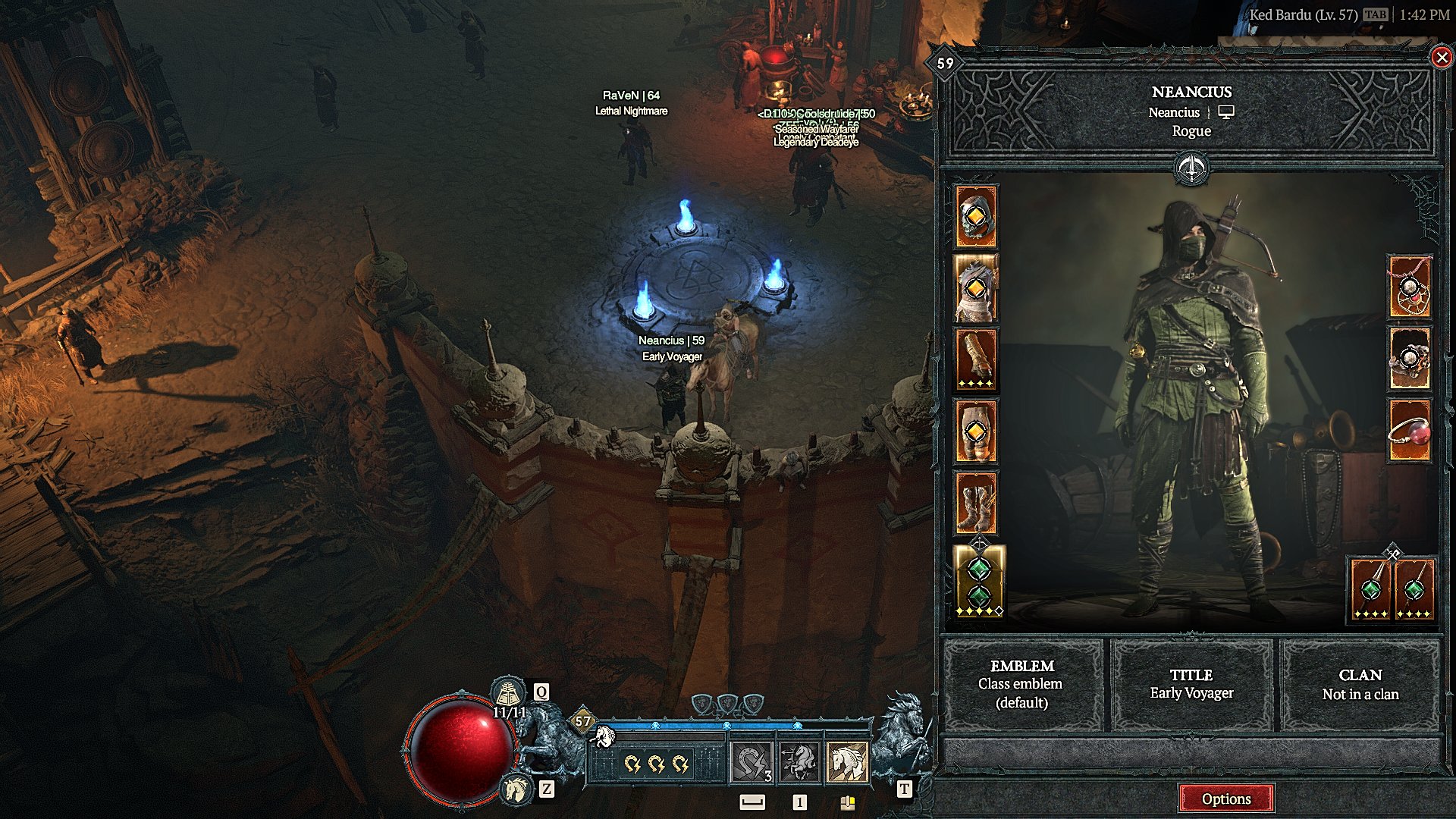
Your first priority is unlocking the open endgame. Finish the campaign, which opens higher world tiers, and pick a class you enjoy rather than the one currently fashionable. A Barbarian is forgiving, a Sorcerer rewards positioning, a Rogue favors mobility and a Necromancer lets minions carry early fights. Any of them can reach the endgame comfortably when you follow a guide for a straightforward build.
Use the leveling period to collect basic aspects through the Codex of Power, and do not fuss over perfect gear. Replace weapons often, keep your resistances reasonable, and spend gold on upgrades only when you are close to a power spike. If the seasonal storyline offers a guided path, follow it, because it usually funnels you toward the new mechanics along with decent rewards. Treat this week as set-up, not optimization.
Week Two: Nightmare Dungeons, Helltides and Paragon
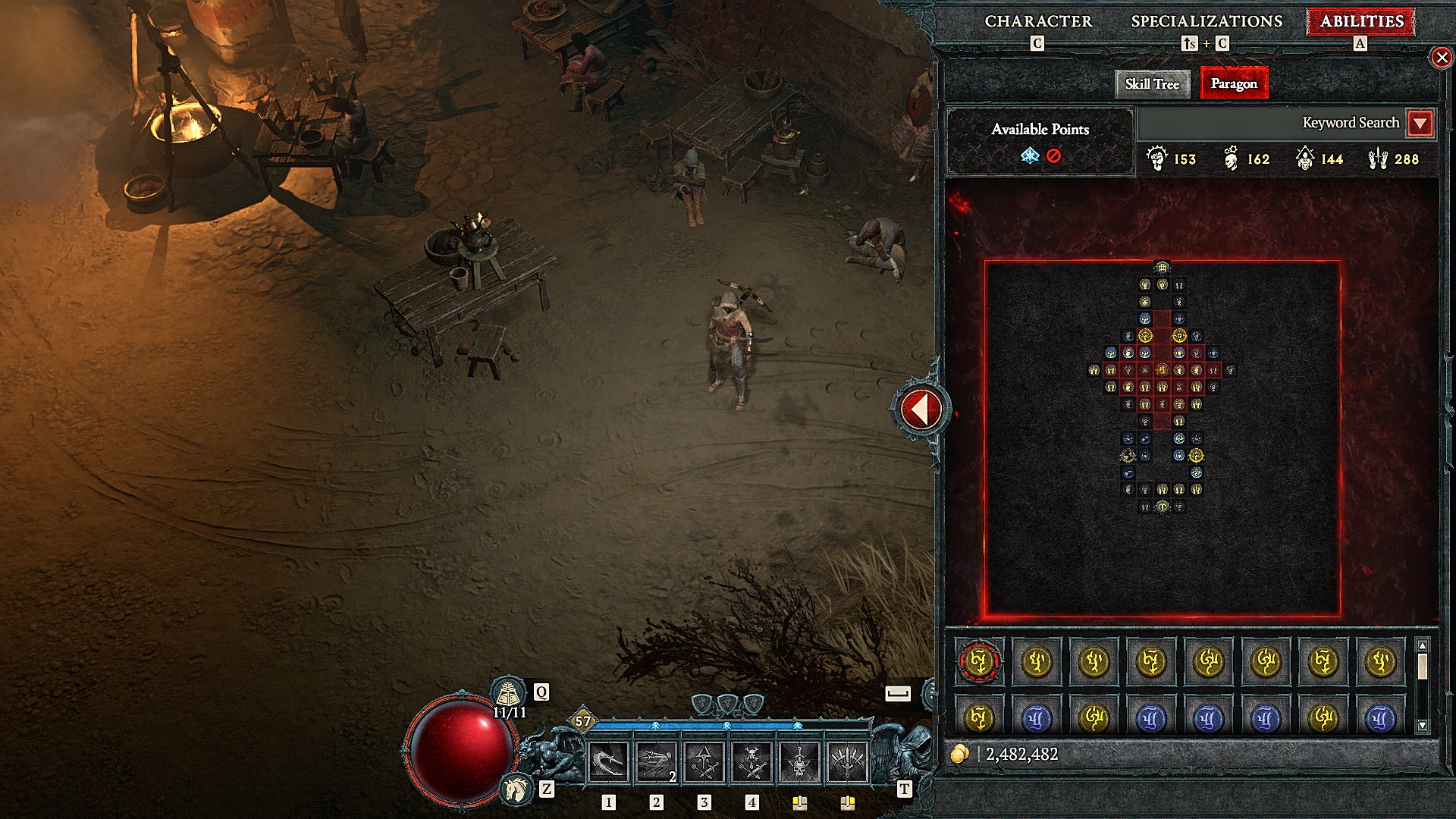
Once you hit the cap, the game opens up. Run Nightmare dungeons to unlock aspect variety and begin gaining Paragon points, which add stats and extra build options through boards and glyphs. Helltides are a strong companion activity: dense packs, chests and materials you can use for crafting. Alternate them so you are not repeating the same loop, and aim to finish your core aspects first.
At this stage most players benefit from deciding on a clear target, such as completing a set of key aspects or getting Paragon to a comfortable level for the next tier. A modest weekly plan is two or three dungeon sessions, one Helltide block and a bit of crafting. Light-bracket players may stretch this across a couple of weeks, which is perfectly fine. Consistency matters more than long marathons.
Where a Diablo 4 Boost Fits Into the Plan
Some players with limited time look at paid help to close the gap faster. A diablo 4 boost service means another player or team clears parts of the climb for you, typically the repetitive leveling and early farming stretch. Used sparingly, it can move you to the endgame quicker, so the hours you do have go into the parts of the game you enjoy, such as bosses, build tuning and group play.
Be realistic about what it covers. It can save grind time, but it cannot teach you rotation, positioning or the quirks of your build. If you jump straight to Torment content with gear you do not understand, you will struggle and may feel more frustrated than before. A sensible approach is to use outside help for the early stretch, then spend your own time learning the character so you can play it with confidence.
Weeks Three and Four: Gear Tuning and Torment Difficulty
With the base ready, shift attention to quality. Use the Occultist to imprint missing aspects, focus on greater affix rolls, and use crafting to correct weak stats. Then try Torment difficulty at the lowest tier, watching your survivability closely. If you are dying in one or two hits, go back and fix defenses before pushing damage. A small survivability upgrade usually matters more than a large damage gain.
This is also the right time to attempt bosses. Choose one boss, watch a short guide, and run it several times to learn the patterns. Group content can speed things up as well, since friends or guild mates can carry some fights while you learn them. Measure your success by clear targets, such as clearing a certain dungeon tier without dying, not by comparing yourself to players with a longer head start.
Account Risk and Terms You Should Know
If you consider any outside service, read the fine print. Third-party boosting carries account risk. Blizzard’s terms of service and code of conduct apply to all accounts, and account sharing or letting someone else play on your behalf can lead to penalties, including suspension. No seller can remove that risk, so do not trust guarantees that sound too good.
Protect yourself with sensible habits: never reuse passwords, turn on two-factor authentication, avoid unfamiliar software and ask how a service works before committing. Compare that risk against the time saved. For many players the better path is simply to use the plan above, spending a few focused hours each week and letting steady progress do the work.
A Mid-Season Checklist You Can Print
Before the next session, run through a short checklist. Is the campaign finished and the endgame open? Do you have a build with at least a few key aspects? Is your Paragon moving at a steady rate? Have you tried a Nightmare dungeon, a Helltide and one boss? Are you comfortable at your current world tier before moving up? If any answer is no, that is your next task.
Remember that falling behind in a season is a feeling more than a fact. The seasonal rewards and systems are designed to be reachable at casual hours, and the endgame never closes to latecomers. Pick a weekly hours bracket, follow the weeks above, and use any outside help as a tool rather than a substitute. You will catch up faster than you expect.




Leave a Reply