
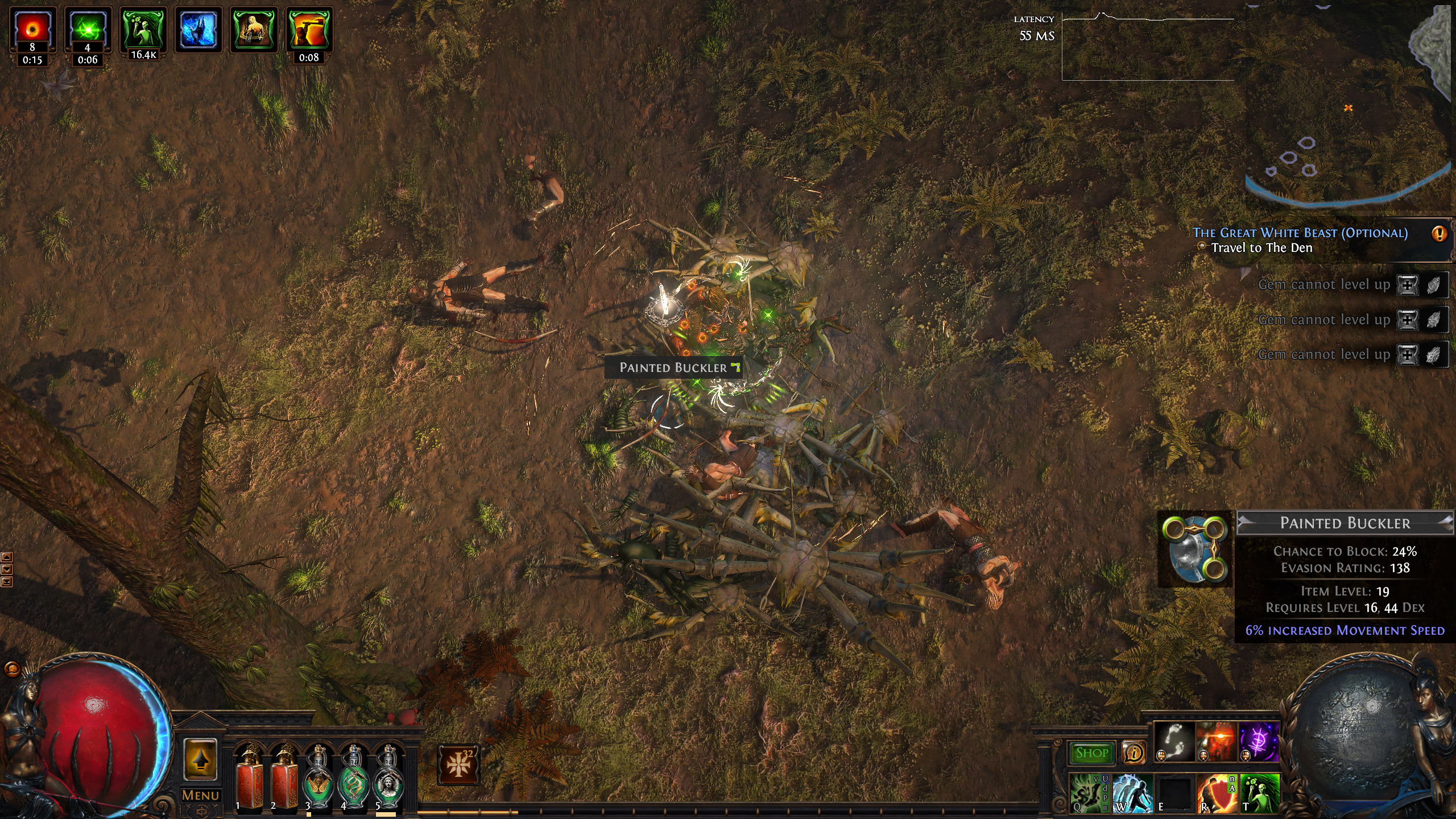
The Blight League introduced a bold new twist to Path of Exile’s loot‑driven ARPG core: the incorporation of tower‑defense style mechanics inside maps.
This mechanic didn’t just add novelty—it reshaped how players approached map content, rewards, and strategy. In this article we’ll explore what Blight brought, how the mechanics worked, and why its impact is still felt in the game.
The Concept: Tower Defence Meets ARPG Loot Runs
In the Blight mechanic, players came across Fungal Growths which spawned “roots” (lanes) that creeps would march along toward a central pump. Players built towers to defend these lanes while still using their usual skills to clear monsters. The fusion of active combat and tower‑placement strategy created a hybrid gameplay loop.
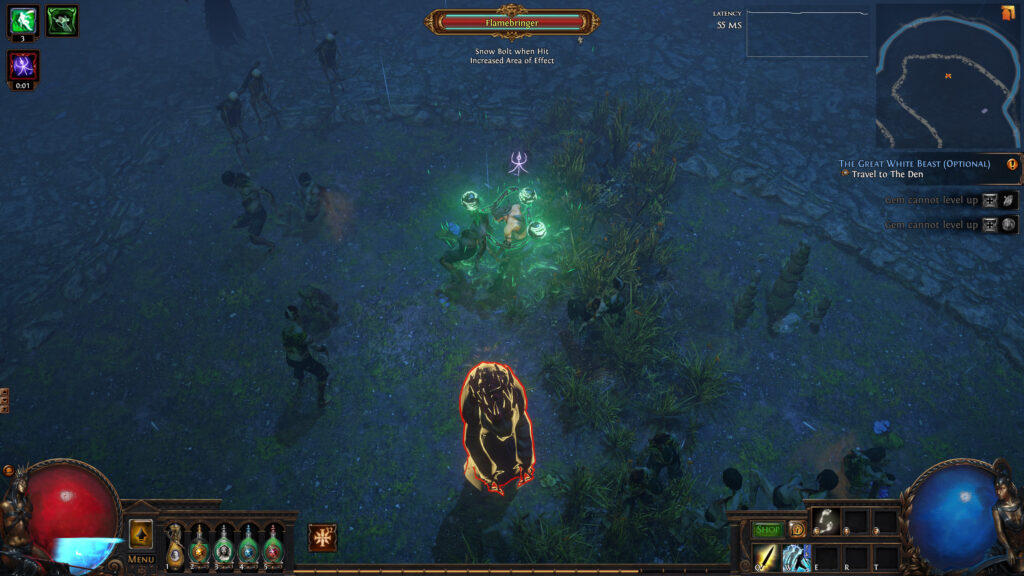
This design stood out because it added a layer of pre‑planning and strategy into what is ordinarily pure run‑and‑gun loot farming. Deciding *where to place towers*, *which tower types to build/upgrade*, *what path the monsters follow*, all this mattered. That turned each Blight zone into more than just “clear the monsters”—it became a tactical mini‑game inside your loot run.
The Mechanics: Roots, Towers and Rewards
Once a Fungal Growth was triggered, up to eight roots would extend outward. At the end of each root monsters poured out and would head toward the pump; you placed towers alongside the paths to stop them. Towers had different effects (chill, shock, stun, burn, summoning) so choosing the right combination and placement made a big difference.
Rewards from completing a Blight encounter included special oils which could be used to anoint items (granting them special affixes or implicit mods), and access to Blighted maps (larger scale versions with more challenge and loot).This elevated the desirability of Blight content: it wasn’t just fun, but rewarded strongly.
Impact on Gear & Economy
Because Blight introduced new loot categories (oils, Blighted maps), it shifted how players farmed and traded. These rewards often required different strategies: planning tower builds, map layouts, and understanding the reward structure. That meant more depth in how you approached your endgame runs—not just “go to tier X map and kill boss”, but “set up this map and run a Blight lane for oils”.
Also, the meta for certain builds adapted: builds that excelled at clearing lots of monsters while managing towers became more popular. The economy responded accordingly. Since Blighted maps were trade‑items, the league opened new trade channels around them. Players who mastered the mechanic early gained advantage in both loot and value.
Legacy: Why Blight Matters Today
Though the Blight League is over, its core mechanics (or variants) remain in the game. The concept of “map modifiers that alter the format of the map” is now deeply embedded. Items tied to Blighted maps and oils remain part of the crafting and loot path
Additionally, the success of the Blight mechanic paved the way for future league mechanics that blend genres—introducing tower‑defense, puzzle elements, tactical placement into the ARPG space. It showed that Path of Exile could innovate not just with new loot or passive nodes, but with **entirely new map formats** and gameplay loops.
How You Can Use Blight Tactics Now
Even if you’re playing outside the original league, the lessons hold: In your maps don’t just “run the path”, look at map layout and mechanics. If you engage map mods that alter monster behaviour or spawn patterns, apply strategic planning (like you did with towers). Essentially, think like you’re setting up a mini‑defence before you speed‑run.

And if you’re chasing specific crafting resources or map types, remember the Blight‑style rewards: map formats that change behaviour, loot tied to mechanic mastery, and gear that rewards strategic play rather than brute force. That mindset elevates your endgame approach.
Conclusion: Innovation That Lasts
The Blight League wasn’t just a temporary novelty—it reshaped how players value map mechanics, strategic placement, and reward systems. By integrating a tower‑defense element into an ARPG loot loop, Path of Exile expanded the horizon of what map content can be.
If you’re serious about maximising your build, loot and strategy, the legacy of Blight offers enduring lessons. Dive into your maps with purpose, think about mechanics, and let your gameplay evolve beyond “clear monsters”.




Leave a Reply